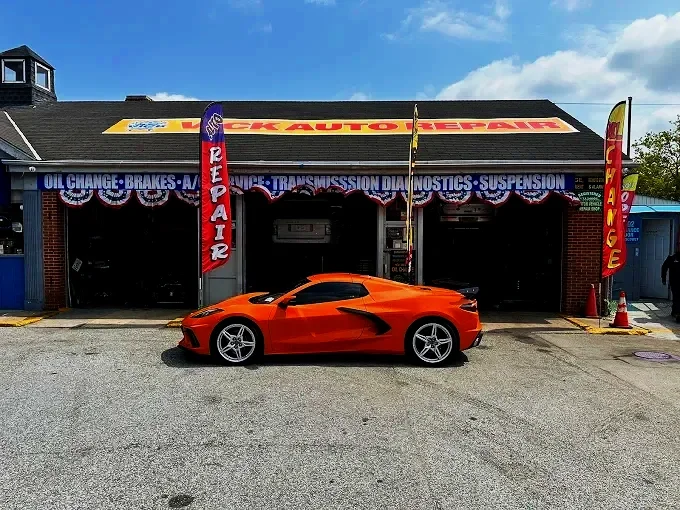
WE FIX YOU DRIVE -Comprehensive Vehicle Care Services
*
WE FIX YOU DRIVE -Comprehensive Vehicle Care Services *
Featured Products

Computerized Diagnostic
At VICK AUTO REPAIR INC., our computerized diagnostic service uses advanced scan tools and factory-level software to quickly and accurately identify issues with your vehicle’s engine, transmission, ABS, airbags, emissions systems, and more.
What we do
Connect to your vehicle’s onboard computer(s) to retrieve trouble codes, freeze-frame data, and live sensor readings.
Interpret diagnostic trouble codes (DTCs) and perform system tests to determine root causes—not just symptoms.
Inspect and test related components (sensors, wiring, modules) to confirm failures and rule out intermittent or communication issues.
Provide a clear, written diagnostic report that explains findings, recommended repairs, and estimated costs.
Why computerized diagnostics matter
Faster, more accurate problem identification reduces unnecessary parts replacement and labor.
Detects issues modern vehicles record but may not show as obvious symptoms.
Ensures emissions and safety systems meet legal and performance standards.
When to request this service
Check engine light, ABS/Airbag light, or other warning indicators are on.
Poor fuel economy, rough idle, stalling, or unexplained drivability problems.
After replacing parts or clearing codes, to verify the problem is fixed.
Before buying a used vehicle to identify hidden faults.
What you’ll receive
Detailed explanation of trouble codes and their likely causes.
Photos or data snapshots when helpful to illustrate issues.
A recommended repair plan with parts, labor estimates, and options for priority repairs.
Re-scan after repairs to confirm the vehicle is operating properly.
Turnaround and pricing
Most diagnostics completed the same day; complex
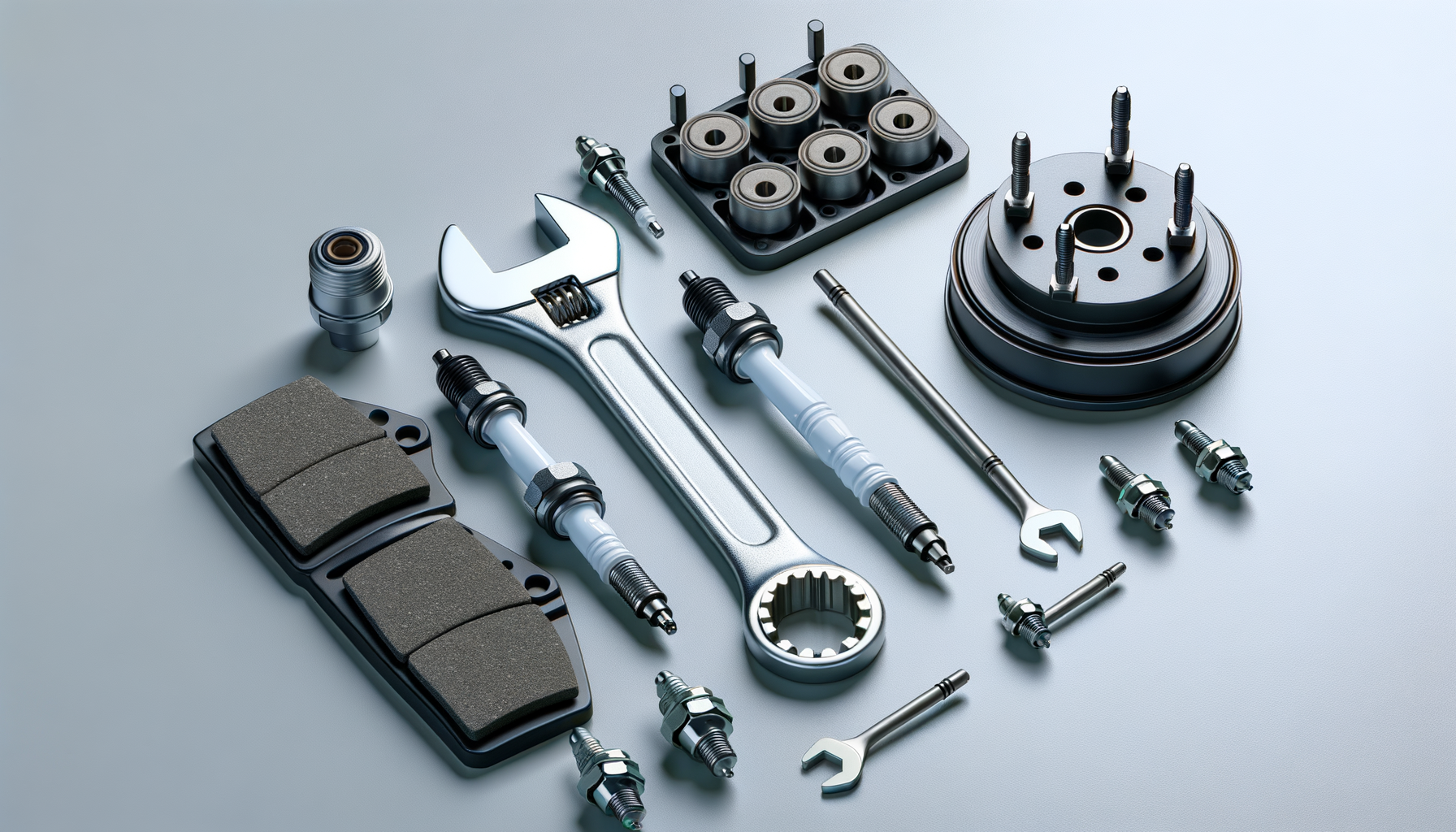
Brake and Rotors Service
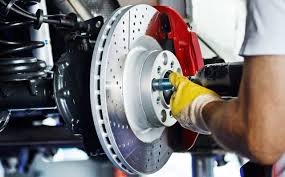
Keep your vehicle safe and stopping smoothly with professional brake and rotor service from VICK AUTO REPAIR INC. Our certified technicians perform thorough inspections and precision repairs using quality parts and industry‑recommended procedures.
What we inspect
Brake pads and shoes: thickness, wear pattern, material condition
Rotors and drums: thickness, runout, scoring, heat damage
Calipers and wheel cylinders: operation, leaks, piston condition
Brake lines and hoses: cracks, swelling, corrosion, proper routing
Brake fluid: contamination, moisture level, and reservoir condition
ABS components and sensors: diagnostic scan and functional check
Services we provide
Brake pad replacement: OEM-equivalent or upgraded performance pads
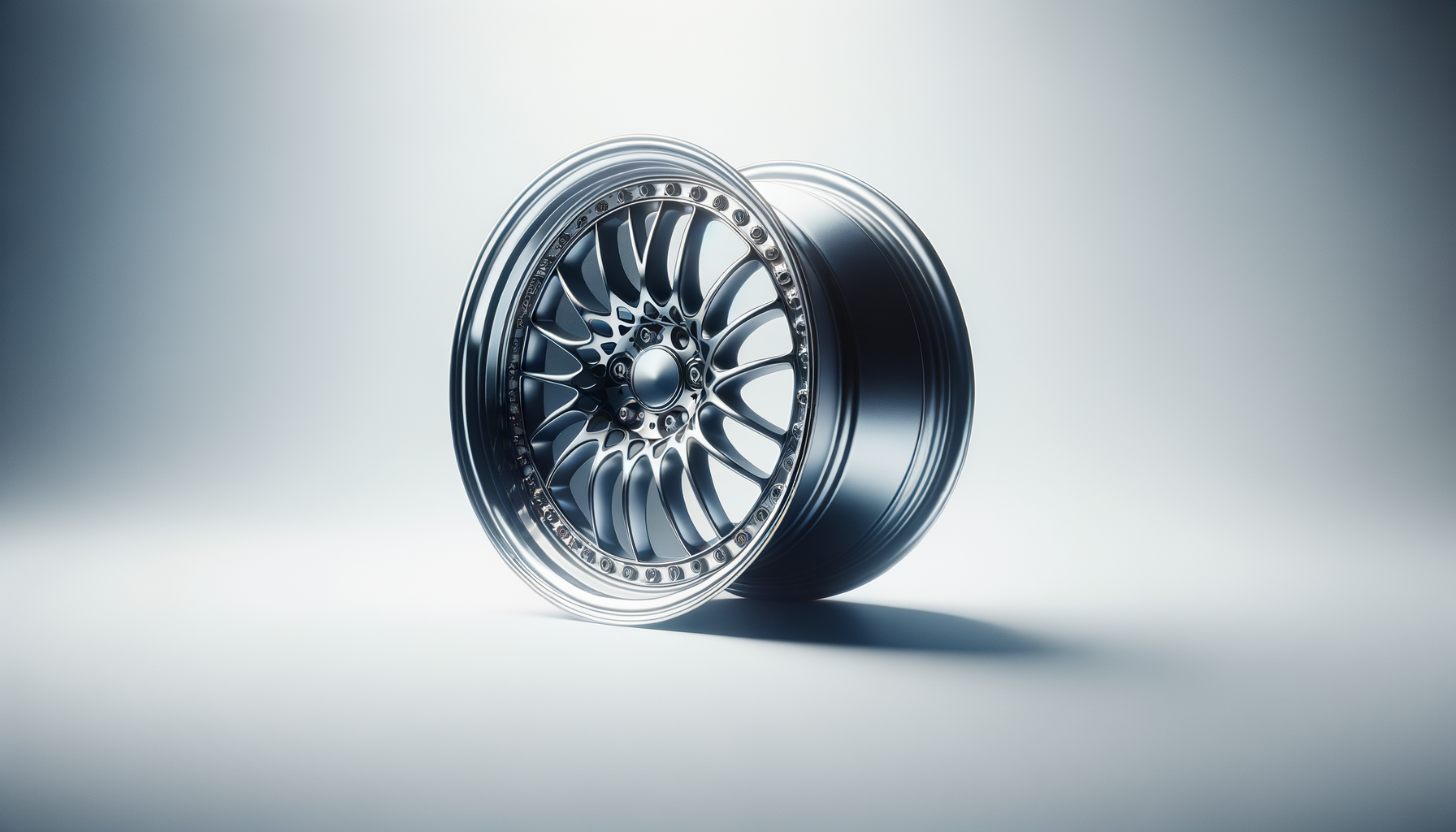
Rotor resurfacing or replacement: precise machining or new rotors matched to vehicle specifications
Caliper service: cleaning, lubricating guide pins, rebuild or replacement as needed
Brake fluid flush and replacement: DOT-grade fluid and complete system bleed to remove air and moisture
Brake line and hose repair or replacement
ABS diagnostics and repair, including sensor replacement and system resets
Full brake system safety inspection with written recommendations
Why choose VICK AUTO REPAIR INC.
Experienced, ASE‑trained technicians
Quality parts and strict safety standards
Accurate diagnostics and transparent pricing
Thorough test drive and post-service inspection for correct pedal feel and stopping performance
Documentation of work performed and warranty on parts and labor
When to have brakes and rotors checked
Squealing, grinding, or unusual noises when braking
Pulsation or vibration through the brake pedal or steering wheel
Increased stopping distance or soft/spongy pedal feel
Dashboard ABS warning light on
Visible grooves or rust on rotors, or low pad thickness (<3–4 mm)
Manufacturer-recommended service intervals
What to expect during service
Initial inspection and diagnostic check (including ABS if present)
Clear explanation of findings and repair options with cost estimate
Replacement of recommended components using proper torque and bedding procedures
Brake fluid service and system bleed for optimal performance
Final road test and customer review of completed work
Schedule an appointment for brake and rotor service today to ensure reliable stopping power and continued safety on the road.
is product is about. What’s it made of? How was it made? What are ways to enjoy it?
STRUTS AND SHOCKS
What they are
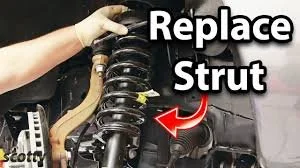
Shocks (shock absorbers): Hydraulic dampers that control the bounce of your vehicle’s springs, keeping tires in contact with the road and smoothing ride quality.
Struts: A structural component that combines a shock absorber with suspension-supporting elements (spring perch, bearing, sometimes steering pivot). Struts contribute to vehicle alignment and steering geometry as well as damping.
Why they matter
Safety: Worn dampers reduce tire contact with the road during cornering and braking, increasing stopping distances and loss of control risk.
Handling & comfort: Faulty shocks or struts cause body roll, nose dive, excessive bounce, and a harsh, unsettled ride.
Tire life: Poor damping leads to uneven tire wear (cupping or feathering), shortening tire lifespan.
Suspension components: Struts support other parts (springs, mounts, bearings). Failure can stress mounts, control arms, and steering parts.
Common signs they need service
Excessive bouncing after hitting a bump
Nose dive when braking or rear squat on acceleration
Increased body roll during turns
Uneven or rapid tire wear
Fluid leaking from the shock/strut
Unusual noises (clunking, knocking) over bumps
Vehicle pulls to one side or steering feels vague
Inspection & diagnosis
Visual check for leaks, broken mounts, and damaged boots
Bounce test: push down on a corner—one or two bounces indicates worn dampers
Road test to evaluate handling, noise, and brake dive
Tire inspection for uneven wear patterns
Alignment check after strut replacement
Replacement guidance
Replace in pairs (both front or both rear) for balanced handling
Many manufacturers recommend replacing shocks/struts every 50,000–100,000 miles depending on driving conditions; inspect earlier if you drive on rough roads or carry heavy loads regularly
Strut assemblies vs. rebuilds: Complete strut assemblies (cartridge pre-assembled with spring and mount) save labor and ensure proper
Showcase what this product is about. What’s it made of? How was it made? What are ways to enjoy it?
Our Services
Describe important details like price, value, length of service, and why it’s unique. Or use these sections to
Routine Auto Maintenance — Keep Your Vehicle Reliable and Safe
Regular maintenance extends your vehicle’s life, improves safety, and reduces repair costs. Below is a practical maintenance checklist, recommended service intervals, and tips to help you stay on top of auto care.
Basic Maintenance Checklist (what to check and when)
Engine oil & filter: Replace every 3,000–7,500 miles depending on oil type and manufacturer recommendations. Check oil level monthly.
Tire pressure & condition: Check monthly and before long trips. Rotate tires every 5,000–7,500 miles. Replace tires when tread depth reaches 2/32".
Brake system: Inspect pads, rotors, and fluid every 10,000–15,000 miles or if you hear squealing/grinding or feel vibration.
Battery: Test annually and replace every 3–6 years depending on condition and climate. Clean terminals if corrosion appears.
Air
showcase different key values of your products or services.
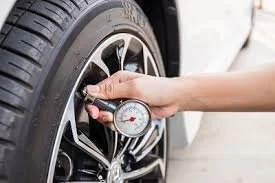
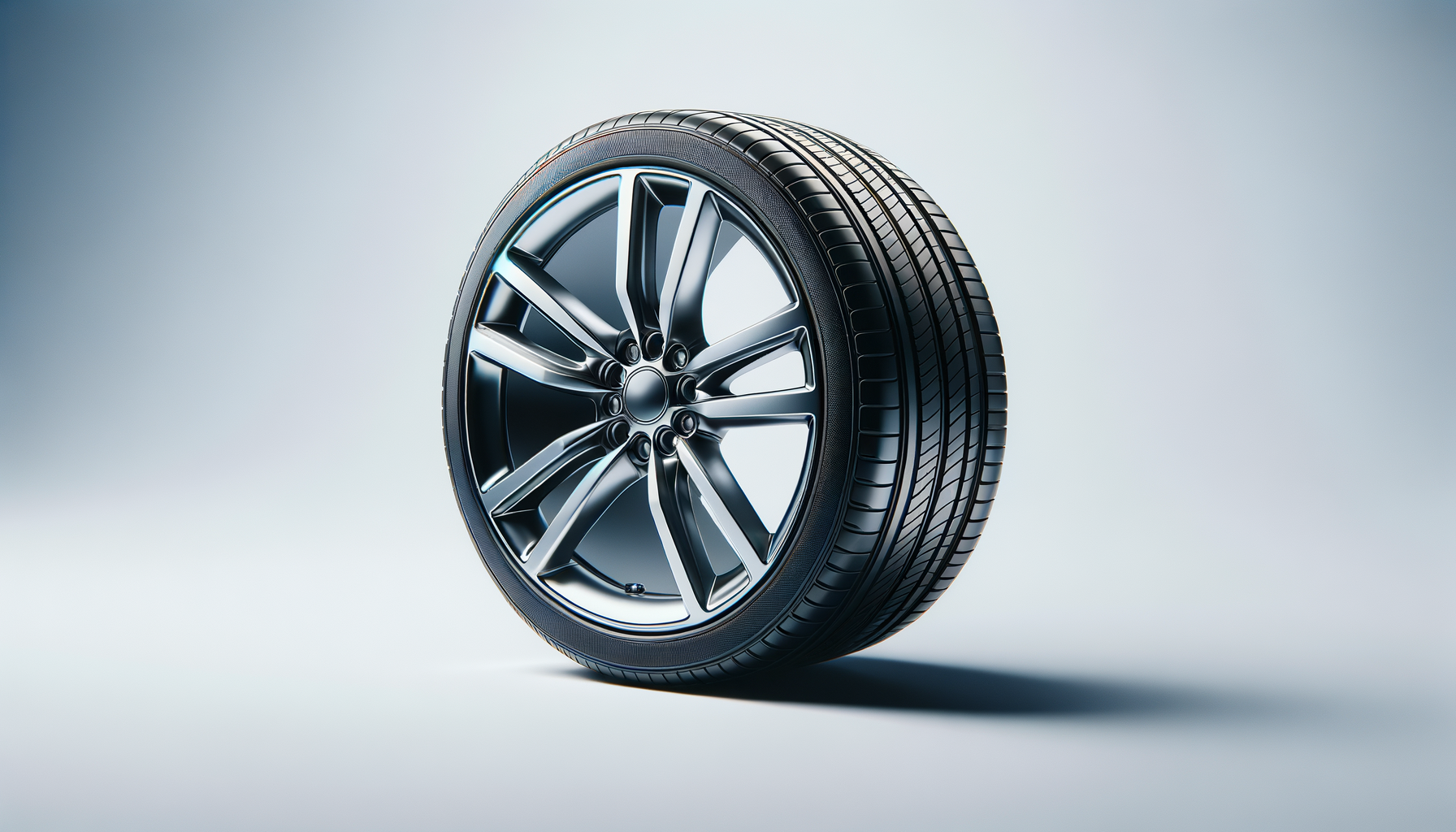
TIRE SERVICE CHECK
What we inspect
Tire condition: tread depth, uneven wear, cuts, bulges, sidewall damage
Tread depth measurement at four points per tire; compare with legal/safe limits
Tire pressure: check and adjust to manufacturer-specified PSI (including spare)
Tire age: inspect DOT code and recommend replacement if 6–10 years old or earlier if damaged
Valve stems: inspect for leaks, corrosion, and proper caps
Wheel balance: test and identify wheel weights needed to correct vibration
Tire rotation: assess pattern and rotation interval to promote even wear
Alignment indicators: check toe, camber, and visible steering/suspension signs that affect tire wear
TPMS (Tire Pressure Monitoring System): test sensor function and battery/status
Lug nuts: check torque to factory specifications
Road test: confirm ride quality, handling, and verify any reported vibration or pulling
When we recommend replacement
Tread depth at or below 2/32" (legal minimum) — immediate replacement
Uneven or rapid wear indicating suspension/alignment issues — replace and repair underlying cause
Sidewall cuts, bulges, or exposed cords — immediate replacement
Tire age over manufacturer guidance (commonly 6–10 years) regardless of tread
Repeated punctures or unsuccessful repair history — replacement recommended
Services we provide
Pressure check and adjustment (includes top-off to factory PSI)
Tread depth measurement and condition report
Tire rotation using manufacturer-recommended pattern
Wheel balancing with computerized balancer
Mounting and dismounting of tires
Tire disposal and environmental handling
TPMS diagnosis, repair, and sensor replacement
Alignment check and full four-wheel alignment (if needed)
Emergency tire repair (patch/plug per industry safety standards)
New tire selection and installation with recommendations for size, load index, speed rating, and seasonal needs
What to expect during your appointment
Inspection and diagnostic check (typically 20–40 minutes)
Clear explanation of findings and recommended services before any work
Cost estimate for parts and labor for approved repairs/replacements
Same-day service for most routine tire needs; longer for alignment or special-order tires
Safety and maintenance tips
Check tire pressure monthly and before long trips
Inspect tires visually for cuts, punctures, or odd wear
Rotate tires every 5,000–7,500 miles or per vehicle manufacturer recommendation
Maintain proper alignment and suspension to prolong tire life
Replace tires in axle pairs (both front or both rear) to preserve handling stability, especially on AWD vehicles
Keep a properly inflated spare and ensure jack and tools are present
Schedule a Tire Service Check Call or visit our shop to book an appointment. Bring vehicle make, model, tire size (if known), and any notes about vibrations, pulling, or recent road events. We’ll provide a full report and recommended action to keep you safe on
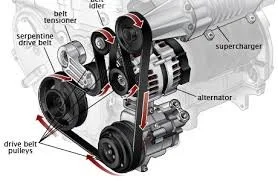
Serpentine Belt
What it is The serpentine belt is a single, continuous rubber belt that drives multiple peripheral devices on your engine — including the alternator, power steering pump, air conditioning compressor, and sometimes the water pump. It’s typically ribbed to grip pulleys and routed in an S-shaped pattern around them, which is why it’s called a “serpentine” belt.
Why it matters A properly functioning serpentine belt is essential for engine accessories to operate. If it fails, you can lose power steering assist, battery charging, HVAC blower performance, and (in some vehicles) engine cooling. Belt failure can leave you stranded or cause rapid engine overheating.
Common signs of wear or failure
Squealing or chirping noises at startup or during turns
Visible cracks, fraying, glazing (shiny or hardened surface), or missing ribs
Belt slipping or visible looseness
Loss of accessory function: dead battery, weak A/C, heavy steering effort
Warning lights on the dash (battery/charging system)
Typical causes of premature wear
Age and mileage: rubber degrades over time (commonly replaced every 60,000–100,000 miles, but check your owner’s manual)
Misaligned or damaged pulleys or tensioner
Contamination from oil or coolant leaks
Excessive heat from the engine compartment
Using the wrong belt size or low-quality aftermarket belt
Inspection and maintenance
Visual inspection: look for cracks, glazing, frays, and missing ribs.
Schedule your appointment
Schedule your vehicle's repair or maintenance with our expert technicians today. Our seamless online booking system ensures convenience and efficiency, getting you back on the road in no time.
Choose your plan
About
our company
At our vehicle repair and maintenance facility, we pride ourselves on delivering top-tier service through our team of highly skilled technicians. Our commitment to excellence ensures your vehicle receives the expert care it deserves, keeping you safely on the road.
Follow us on social
Contact Us
Interested in working together? Fill out some info and we will be in touch shortly. We can’t wait to hear from you!