 Image 1 of 1
Serpentine Belt
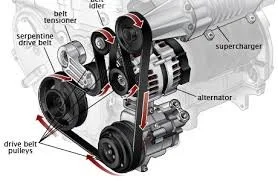
What it is The serpentine belt is a single, continuous rubber belt that drives multiple peripheral devices on your engine — including the alternator, power steering pump, air conditioning compressor, and sometimes the water pump. It’s typically ribbed to grip pulleys and routed in an S-shaped pattern around them, which is why it’s called a “serpentine” belt.
Why it matters A properly functioning serpentine belt is essential for engine accessories to operate. If it fails, you can lose power steering assist, battery charging, HVAC blower performance, and (in some vehicles) engine cooling. Belt failure can leave you stranded or cause rapid engine overheating.
Common signs of wear or failure
Squealing or chirping noises at startup or during turns
Visible cracks, fraying, glazing (shiny or hardened surface), or missing ribs
Belt slipping or visible looseness
Loss of accessory function: dead battery, weak A/C, heavy steering effort
Warning lights on the dash (battery/charging system)
Typical causes of premature wear
Age and mileage: rubber degrades over time (commonly replaced every 60,000–100,000 miles, but check your owner’s manual)
Misaligned or damaged pulleys or tensioner
Contamination from oil or coolant leaks
Excessive heat from the engine compartment
Using the wrong belt size or low-quality aftermarket belt
Inspection and maintenance
Visual inspection: look for cracks, glazing, frays, and missing ribs.
Serpentine Belt
What it is The serpentine belt is a single, continuous rubber belt that drives multiple peripheral devices on your engine — including the alternator, power steering pump, air conditioning compressor, and sometimes the water pump. It’s typically ribbed to grip pulleys and routed in an S-shaped pattern around them, which is why it’s called a “serpentine” belt.
Why it matters A properly functioning serpentine belt is essential for engine accessories to operate. If it fails, you can lose power steering assist, battery charging, HVAC blower performance, and (in some vehicles) engine cooling. Belt failure can leave you stranded or cause rapid engine overheating.
Common signs of wear or failure
Squealing or chirping noises at startup or during turns
Visible cracks, fraying, glazing (shiny or hardened surface), or missing ribs
Belt slipping or visible looseness
Loss of accessory function: dead battery, weak A/C, heavy steering effort
Warning lights on the dash (battery/charging system)
Typical causes of premature wear
Age and mileage: rubber degrades over time (commonly replaced every 60,000–100,000 miles, but check your owner’s manual)
Misaligned or damaged pulleys or tensioner
Contamination from oil or coolant leaks
Excessive heat from the engine compartment
Using the wrong belt size or low-quality aftermarket belt
Inspection and maintenance
Visual inspection: look for cracks, glazing, frays, and missing ribs.