 Image 1 of 1
What they are
Shocks (shock absorbers): Hydraulic dampers that control the bounce of your vehicle’s springs, keeping tires in contact with the road and smoothing ride quality.
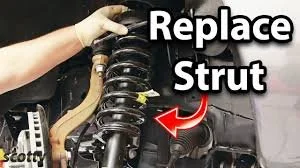
Struts: A structural component that combines a shock absorber with suspension-supporting elements (spring perch, bearing, sometimes steering pivot). Struts contribute to vehicle alignment and steering geometry as well as damping.
Why they matter
Safety: Worn dampers reduce tire contact with the road during cornering and braking, increasing stopping distances and loss of control risk.
Handling & comfort: Faulty shocks or struts cause body roll, nose dive, excessive bounce, and a harsh, unsettled ride.
Tire life: Poor damping leads to uneven tire wear (cupping or feathering), shortening tire lifespan.
Suspension components: Struts support other parts (springs, mounts, bearings). Failure can stress mounts, control arms, and steering parts.
Common signs they need service
Excessive bouncing after hitting a bump
Nose dive when braking or rear squat on acceleration
Increased body roll during turns
Uneven or rapid tire wear
Fluid leaking from the shock/strut
Unusual noises (clunking, knocking) over bumps
Vehicle pulls to one side or steering feels vague
Inspection & diagnosis
Visual check for leaks, broken mounts, and damaged boots
Bounce test: push down on a corner—one or two bounces indicates worn dampers
Road test to evaluate handling, noise, and brake dive
Tire inspection for uneven wear patterns
Alignment check after strut replacement
Replacement guidance
Replace in pairs (both front or both rear) for balanced handling
Many manufacturers recommend replacing shocks/struts every 50,000–100,000 miles depending on driving conditions; inspect earlier if you drive on rough roads or carry heavy loads regularly
Strut assemblies vs. rebuilds: Complete strut assemblies (cartridge pre-assembled with spring and mount) save labor and ensure proper
Showcase what this product is about. What’s it made of? How was it made? What are ways to enjoy it?
What they are
Shocks (shock absorbers): Hydraulic dampers that control the bounce of your vehicle’s springs, keeping tires in contact with the road and smoothing ride quality.
Struts: A structural component that combines a shock absorber with suspension-supporting elements (spring perch, bearing, sometimes steering pivot). Struts contribute to vehicle alignment and steering geometry as well as damping.
Why they matter
Safety: Worn dampers reduce tire contact with the road during cornering and braking, increasing stopping distances and loss of control risk.
Handling & comfort: Faulty shocks or struts cause body roll, nose dive, excessive bounce, and a harsh, unsettled ride.
Tire life: Poor damping leads to uneven tire wear (cupping or feathering), shortening tire lifespan.
Suspension components: Struts support other parts (springs, mounts, bearings). Failure can stress mounts, control arms, and steering parts.
Common signs they need service
Excessive bouncing after hitting a bump
Nose dive when braking or rear squat on acceleration
Increased body roll during turns
Uneven or rapid tire wear
Fluid leaking from the shock/strut
Unusual noises (clunking, knocking) over bumps
Vehicle pulls to one side or steering feels vague
Inspection & diagnosis
Visual check for leaks, broken mounts, and damaged boots
Bounce test: push down on a corner—one or two bounces indicates worn dampers
Road test to evaluate handling, noise, and brake dive
Tire inspection for uneven wear patterns
Alignment check after strut replacement
Replacement guidance
Replace in pairs (both front or both rear) for balanced handling
Many manufacturers recommend replacing shocks/struts every 50,000–100,000 miles depending on driving conditions; inspect earlier if you drive on rough roads or carry heavy loads regularly
Strut assemblies vs. rebuilds: Complete strut assemblies (cartridge pre-assembled with spring and mount) save labor and ensure proper
Showcase what this product is about. What’s it made of? How was it made? What are ways to enjoy it?